


Benefits of Project Based Learning That Research Papers Can’t Deliver
The benefits of project based learning become undeniable when you look at the numbers. Second-grade students gained five to six months more learning in social studies and two months more in informational reading after receiving project-based instruction. In fact, third-graders scored eight percentage points higher on state science tests than their peers in typical classrooms, and another study showed PBL students outperformed control groups by 49 percent.
So, is project-based learning effective? The research on project based learning answers with a resounding yes. And it is not only for school children. We’ll explore how the benefits of project based learning for university students extend beyond test scores to include real-world application, essential skill development, and genuine engagement that traditional research papers simply can’t replicate.
Real-World Application and Hands-On Learning Experience
Creating something for someone transforms the learning experience entirely. When students develop products for actual community members rather than just submitting assignments to teachers, the stakes become real. This shift from theoretical to practical application addresses one of the most persistent gaps in traditional education.
The authenticity extends to how students receive feedback. Rather than hearing exclusively from teachers, they present to panels of industry experts, community leaders, and the people who will actually use their products. During these interactions, students learn to explain their reasoning, defend their choices, and revise their work based on professional standards.
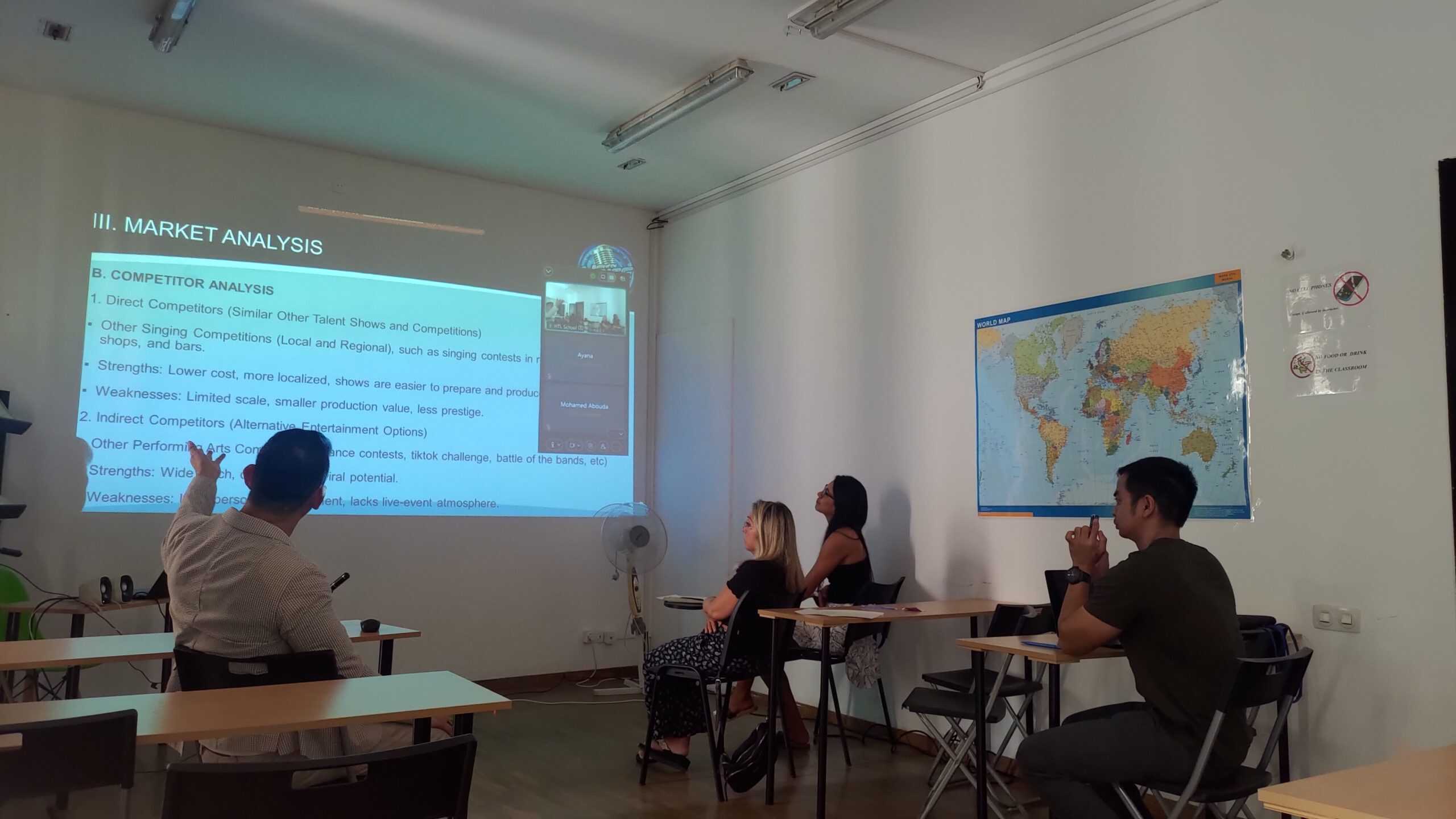
Hands-on learning in real scenarios builds confidence that classroom instruction alone cannot deliver. Students configure actual networks, perform client sessions, and apply techniques in professional contexts. By the time they complete these projects, they’ve already transferred classroom skills to workplace settings, gaining experience that prepares them for day one of their careers.
Development of Essential 21st Century Skills
Employers increasingly admit they prioritize soft skills when recruiting talent, specifically for technical roles where hard skills prove easier to teach on the job than communication or teamwork abilities. This shift makes the benefits of project based learning particularly relevant. PBL develops communication, critical thinking, conflict management, teamwork, collaboration, and negotiation skills that research on project based learning identifies as essential workplace competencies.
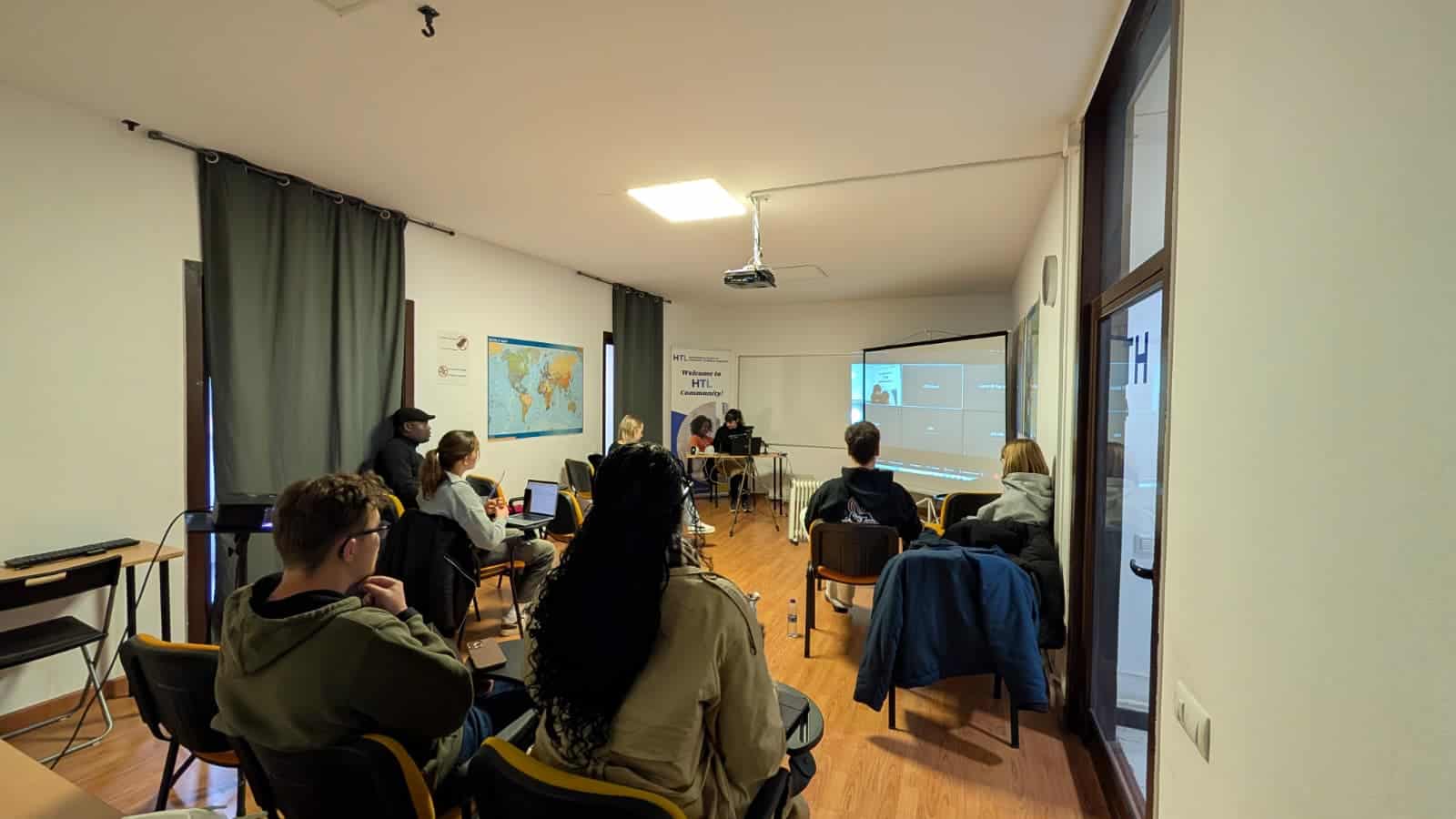
Teachers at HTL International School who implement PBL report more teaching and assessment of 21st-century skills compared to traditional instruction. Students spend time learning content through experiences that emphasize the four C’s: critical thinking, collaboration, creativity, and communication. They compare information from different sources, draw conclusions based on analysis, and solve complex problems with no single correct solution.
The skill development happens through intentional structure. From the first day of classes students learn to give and receive constructive feedback through critique protocols, where different feedback types help refine their work. Students manage group dynamics, navigate conflicts constructively, and reflect on their contributions. Essentially, they exercise judgment and make decisions under pressure, mirroring future career demands.
Student Engagement and Ownership of Learning
When students make choices about what they investigate, the products they create, and how they work together, something shifts. Voice and choice increase autonomy, ownership, and motivation, which all contribute to increased engagement. This isn’t about letting students do whatever they want. Teachers at HTL carefully structure learning activities to foster student inquiry, focusing on driving questions that lead to authentic products.
The benefits of project based learning for students become visible in how they describe their own work. Students call their projects “more challenging, interesting, worthwhile, and enjoyable”. Notably, research on project based learning shows it influenced student interest in learning significantly, with moderate positive effects on learning motivation and learning attitudes.
Students generate questions and identify what they know and need to know, which encourages critical thinking and metacognition linked to increased engagement. Systems that carry the weight of common tasks create space for ownership. Students stop waiting for permission and become empowered to make decisions. As a matter of fact, this transparency made one student realize that improving logistics created more time for creative work.
Is project-based learning effective at building agency? Students describe experiencing control, autonomy, and power through PBL. They view themselves as change makers with influence right now, not having to wait until graduation to have a voice.
Conclusion
The benefits of project based learning extend far beyond what traditional assignments can achieve. Students gain measurable academic results, develop essential workplace skills, and engage authentically with real-world challenges. Above all, they build agency and confidence that research papers simply cannot replicate.
That is the reason why in all the programs at HTL International School we implement PBL instead of traditional research papers and theses. Our students don’t just learn content—they become change makers who apply knowledge to solve genuine problems. That’s an educational outcome worth pursuing.


About Post Author

